
Stane Jagodič: Metamorphosis of the Mind
Zeitgenössische Kunst Fotografie Ausstellung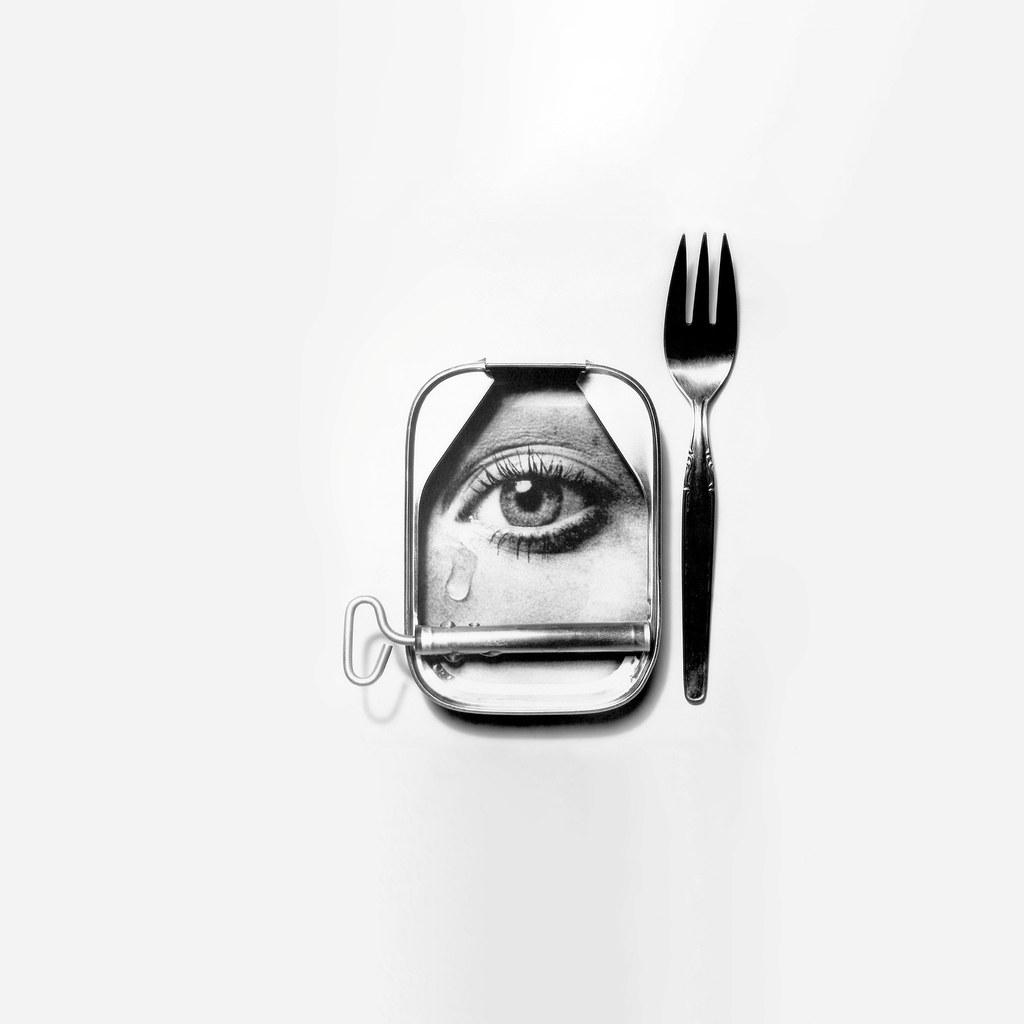
Verbindung zu esel.at
Stane Jagodič hat sich als einer der originellsten Künstler in Slowenien und dem gesamten mittel- und osteuropäischen Raum einen Namen gemacht und in den 1970er-Jahren die Grenzen der Fotografie neu gezogen. Sein Ansatz war geprägt von einer außergewöhnlichen Experimentierfreudigkeit, die sich vor allem in seinen Montagen und Collagen zeigt. In ihnen kombinierte er Fotografien mit Objets trouvés, sprachlichen oder grafischen Elementen und Röntgenbildern. Darüber hinaus begann er, Performance und Fotografie zu verbinden, und gilt außerdem als Pionier der abstrakten Fotografie.
Keinesfalls aber waren seine Fotomontagen und -collagen bloße formale Spielereien, denn sie dienten auch als Vehikel für scharfe gesellschaftliche und politische Kritik. Häufig verband er in ihnen absurde, groteske und ironische Elemente mit motivischen Zitaten zeitgenössischer Technik und Industrie und bezog so Stellung zur Entmenschlichung des Alltags. Damit knüpfte er an das Erbe von Dadaismus und Surrealismus an und reagierte zugleich auf zeitgenössische neoavantgardistische Bewegungen.
Jagodič war Mitbegründer und informeller Leiter der Grupa Junij („Gruppe Juni“). Diese brachte Künstler*innen aus mehreren Ländern und Kulturen zusammen, die in unterschiedlichen Medien arbeiteten. In einer Zeit, als die Kunstszene noch stark von den ideologischen Gegensätzen des Kalten Krieges geprägt war, hatte sie das Ziel, den freien Gedankenaustausch zu fördern und den internationalen künstlerischen Dialog anzuregen. Für ihren experimentellen Ansatz in der Fotografie wurde sie 1988 beim Mois de la Photo in Paris mit dem Grand Prix ausgezeichnet.
In den 1970er- und 1980er-Jahren ging Stane Jagodič in seinen Arbeiten weit über die klassische Fotografie hinaus und machte seine radikale multimediale Methode zum Werkzeug für Experimente, Reflexion und – durch ihre Autonomie – künstlerischen Widerstand. Er war einer der ersten „Künstler, die mit Fotografie arbeiteten“, und mit der Grupa Junij auch ein früher „Künstler-Kurator“, denn er kuratierte die meisten ihrer Ausstellungen selbst. In seinem Werk vollzog er einen radikalen Bruch mit der in der Nachkriegszeit vorherrschenden dokumentarischen Auffassung von Fotografie.
Kuratiert von Dejan Sluga
Ko-Kuratorin, Projektmanagerin: Ana Miklavž
Ausstellungsgestaltung: Kabinet 01 d.o.o.
Mit freundlicher Unterstützung des Ministeriums für Kunst der Republik Slowenien, des Slowenischen Kulturinformationszentrums SKICA WIEN, der Photon Gallery, Calcit, Vina Grof und SAVA Zavarovalnica.
